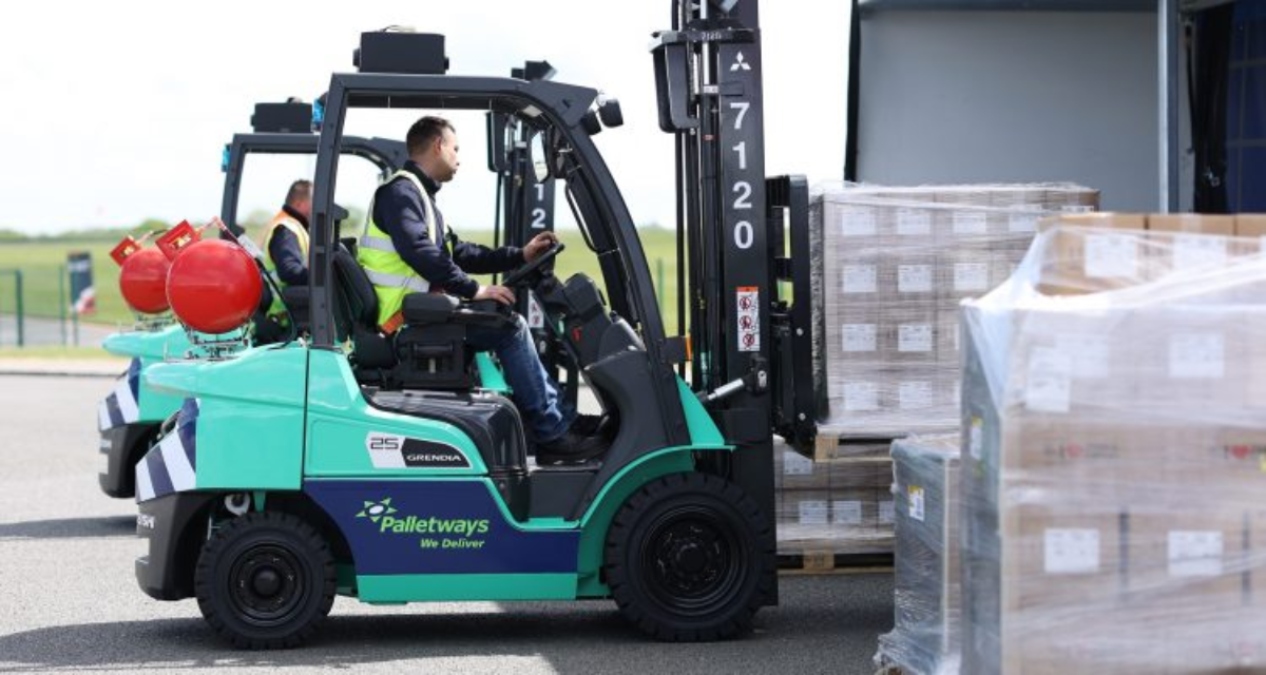

Palletised goods are the most common method of transportation in the UK’s road freight sector, accounting for 27% of all HGV journeys in 2024. When you need to get goods transported effectively, pallets are a safe option. They facilitate easy loading, unloading, and stacking, and they help keep goods secure on the move.
There are many different items you can put on a pallet, but there are two types of goods you can’t put on a pallet: restricted items and prohibited items. Let’s explore these as well as what goods must be specially prepared prior to shipment.
Restricted Items
Restricted goods are items that can be shipped on a pallet, but only if they adhere to specific criteria. Those may differ based on which pallet network or logistics company you’re using, so always be sure to verify with that company prior to making a booking.
Some examples of restricted articles are:
- Engines & Machines – These could require all fluids to be drained and secured safely before they can be shipped.
- Dangerous Goods – Some chemicals, paints, and industrial products may need specialised packaging, labelling, or documentation in accordance with dangerous goods regulations.
- Perishable Items – Such as food products, may necessitate temperature-controlled shipments and express shipments to avoid spoilage.
Meeting the appropriate requirements for restricted shipments ensures the security of both your shipment and the transportation crew, in addition to maintaining legal requirements.
Prohibited Items
Prohibited items are goods that cannot be shipped on pallets at all due to safety, legal, or network restrictions.
Common examples include:
- Live Animals or Plants
- Explosives & Combustible Gases
- Weapons & Ammunition
- Some Dangerous Waste Products
- High-Value Cash or Negotiable Instruments
These items are banned for clear safety reasons, and attempting to ship them on a pallet could lead to fines, confiscation, or serious safety incidents, so make sure to research pallet delivery alternatives.
Why It Differs Between Providers
Whilst most pallet networks subscribe to much the same body of regulations, there can be differences in what they accept. Providers can have extra restrictions on some goods or can offer specialist services for products like hazardous products or temperature-controlled items.
That’s why it’s important to always confirm your specific items with your chosen pallet delivery provider before arranging transport.
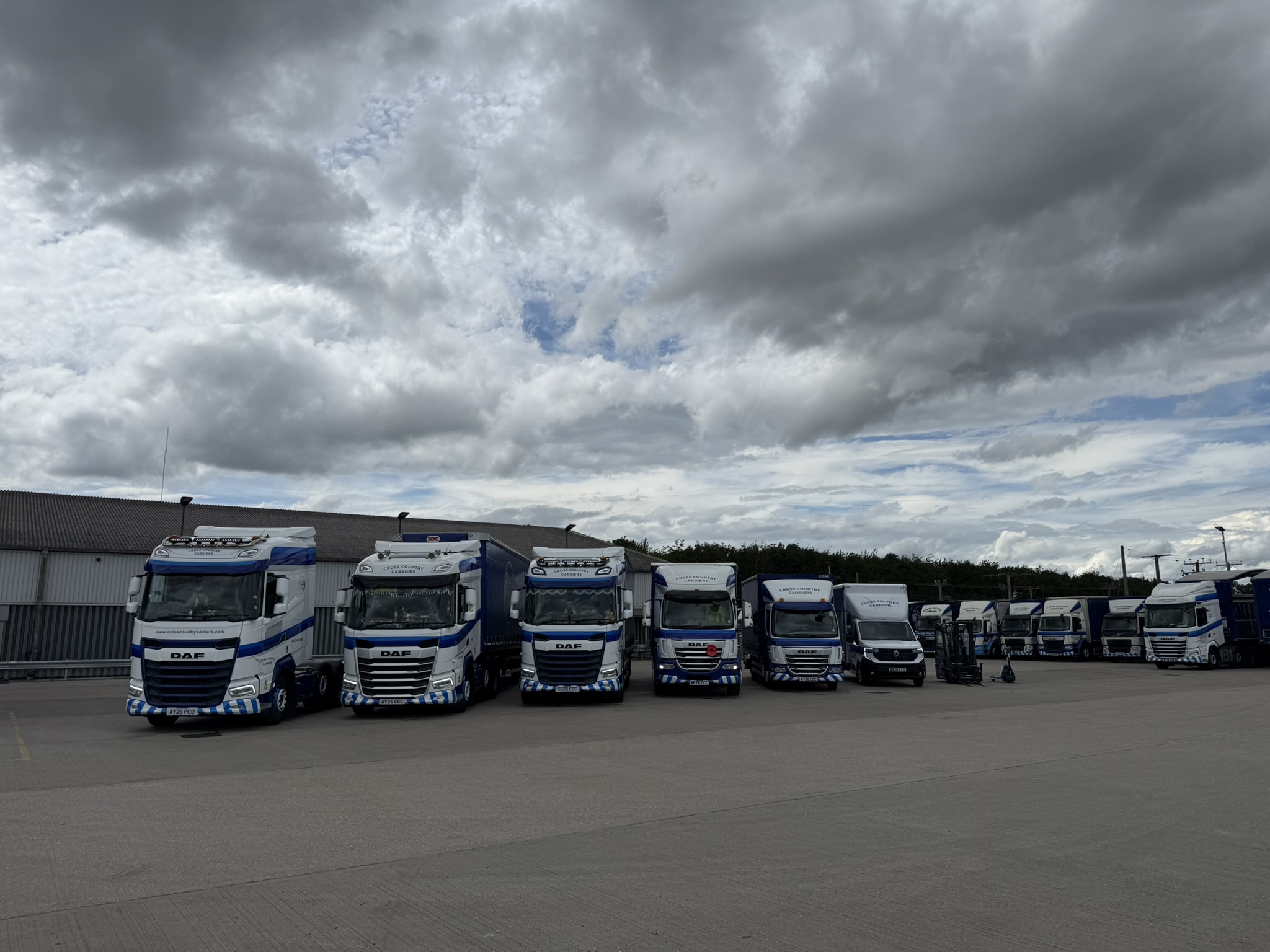
Cross Country Carriers runs on 3 large pallet networks, as well as owning our own vehicles, hauls over 800 pallets on a daily basis and has safely carried customers’ freight for well over 47 years. Our UK-wide fleet and wonderful, dedicated staff mean we can cope with pallet deliveries of any size and type, so you can be reassured that your items are in good hands.
Pallet Preparation Checklist
If you’re in doubt about whether your products can be shipped on a pallet or how to secure items on a pallet, be sure to:
- Check if you have restricted or banned good
- Find out if you need any special preparation
- Verify with your supplier prior to booking
With Cross Country Carriers’ expertise, we can help businesses and rid you of the stress. You’ll have the confidence and know your goods will be transported safely and reliably. If you would like to talk to the team, don’t hesitate to get in touch today.